You are not looking for a life system.
You need the next step to be small enough to start and clear enough to repeat.
Practical help for ADHD procrastination and task avoidance.
A 3-minute diagnostic for procrastination, ADHD task paralysis, phone distraction, and the loop of restarting the same goal.
No pep talk. No shame. Just a clearer explanation and one thing to try next.
The actual problem
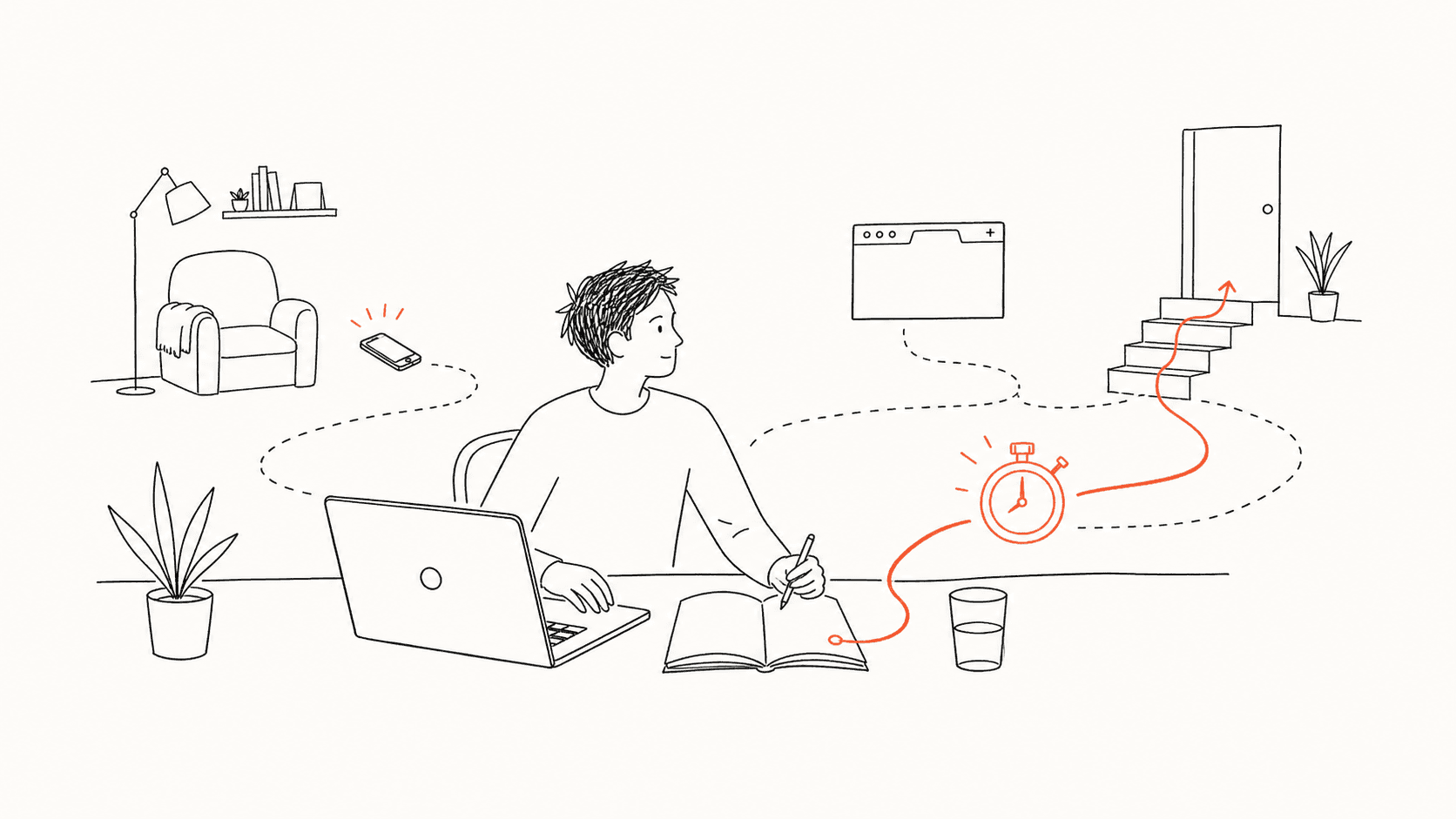
A lot of procrastination starts before discipline is even relevant: the task is unclear, the first step is too big, the phone is too close, or the messy record makes you want a clean reset.
You need the next step to be small enough to start and clear enough to repeat.
If the task feels vague or uncomfortable, the easiest exit wins unless the setup changes.
Checking what happened gives you a next move. Restarting erases the lesson.
How it works
The diagnostic looks at what happens before, during, and after the work. Earlier stuck points usually hide later ones.
The stuck loop
choose - start - stay - check
Questions cover open time, task avoidance, phone exits, missed weeks, and resets.
Choosing, starting, staying with it, or checking what happened.
Not a giant routine. One change that makes the next work block easier to start.
What it checks
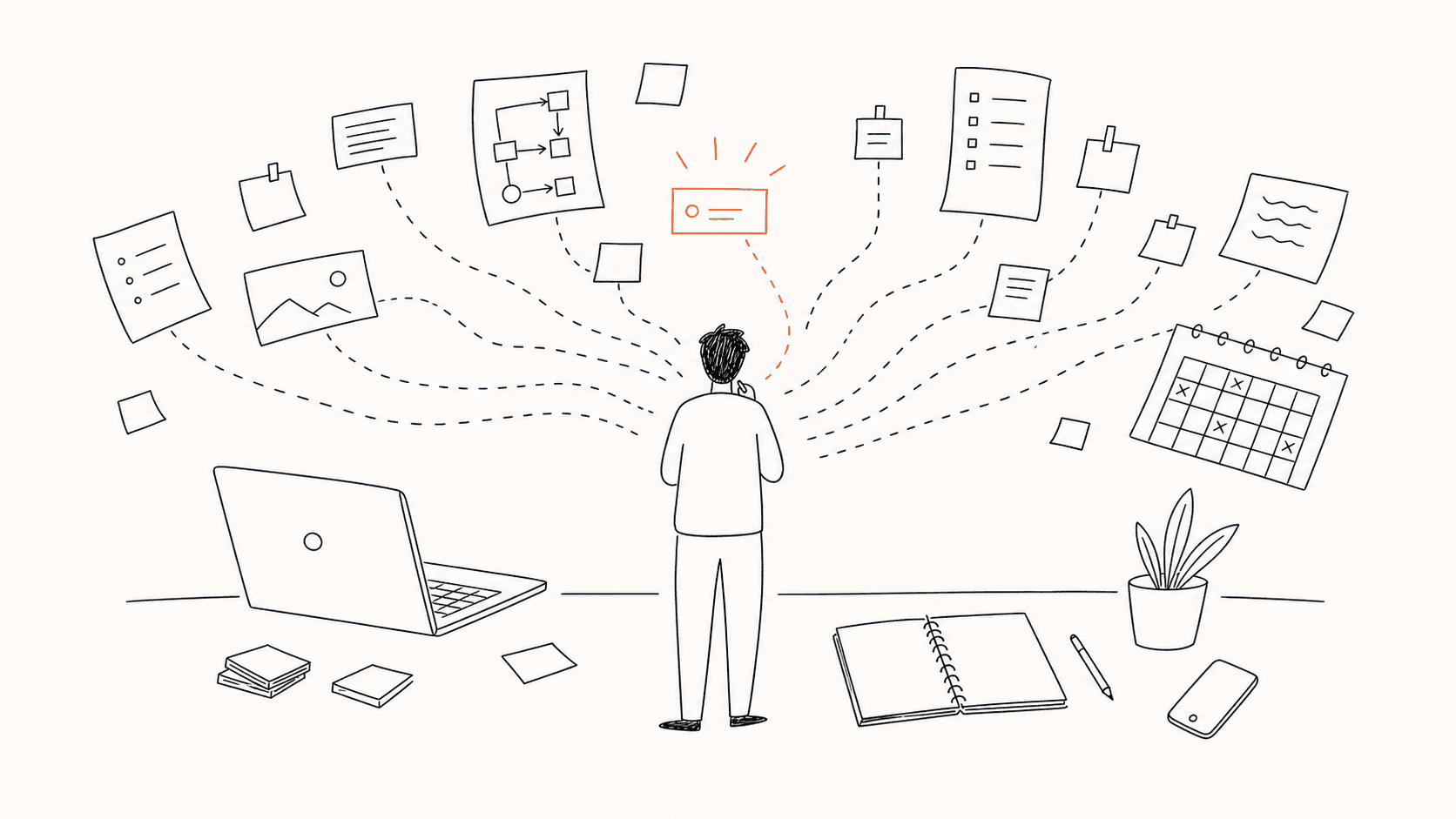
You have too many possible priorities, so none of them becomes the thing you do first.
What it feels like: You keep thinking, planning, saving, comparing, or switching.
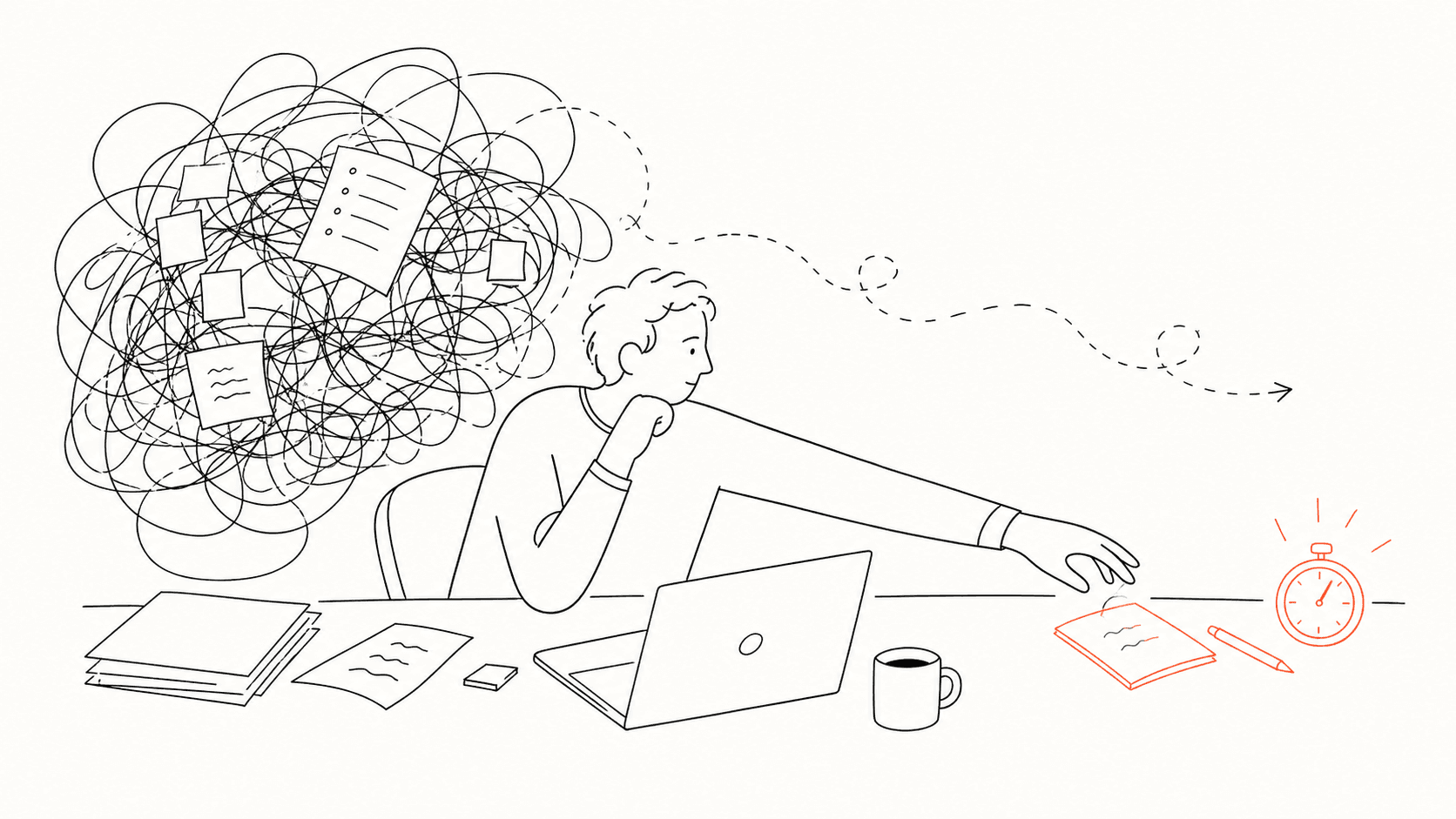
You know what matters, but the first move feels too big, unclear, or annoying.
What it feels like: You research, organize, wait for the right mood, or clean around the task.
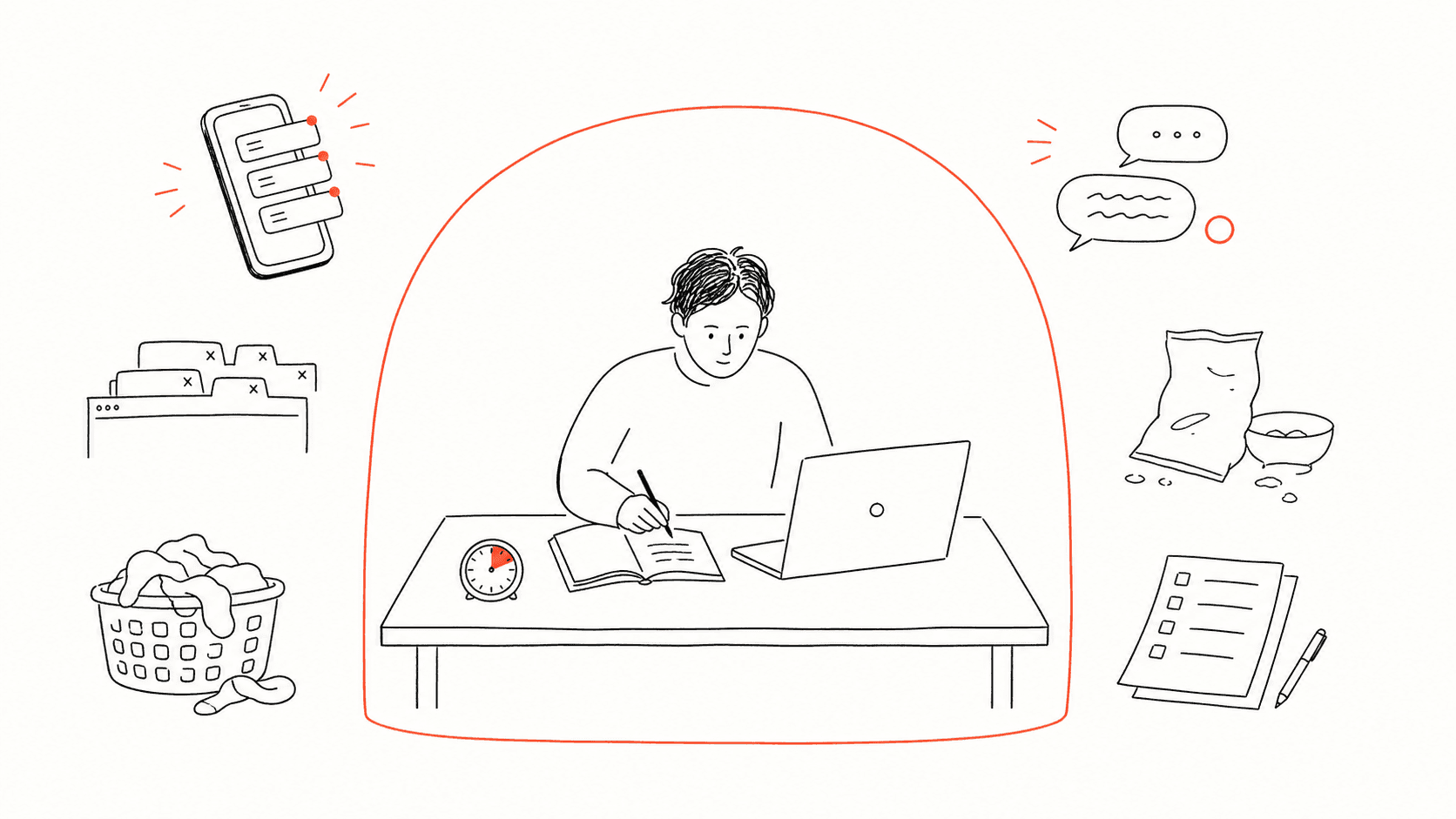
You start, but your attention keeps escaping before the work gets anywhere.
What it feels like: The phone, tabs, messages, and easier tasks keep winning the block.
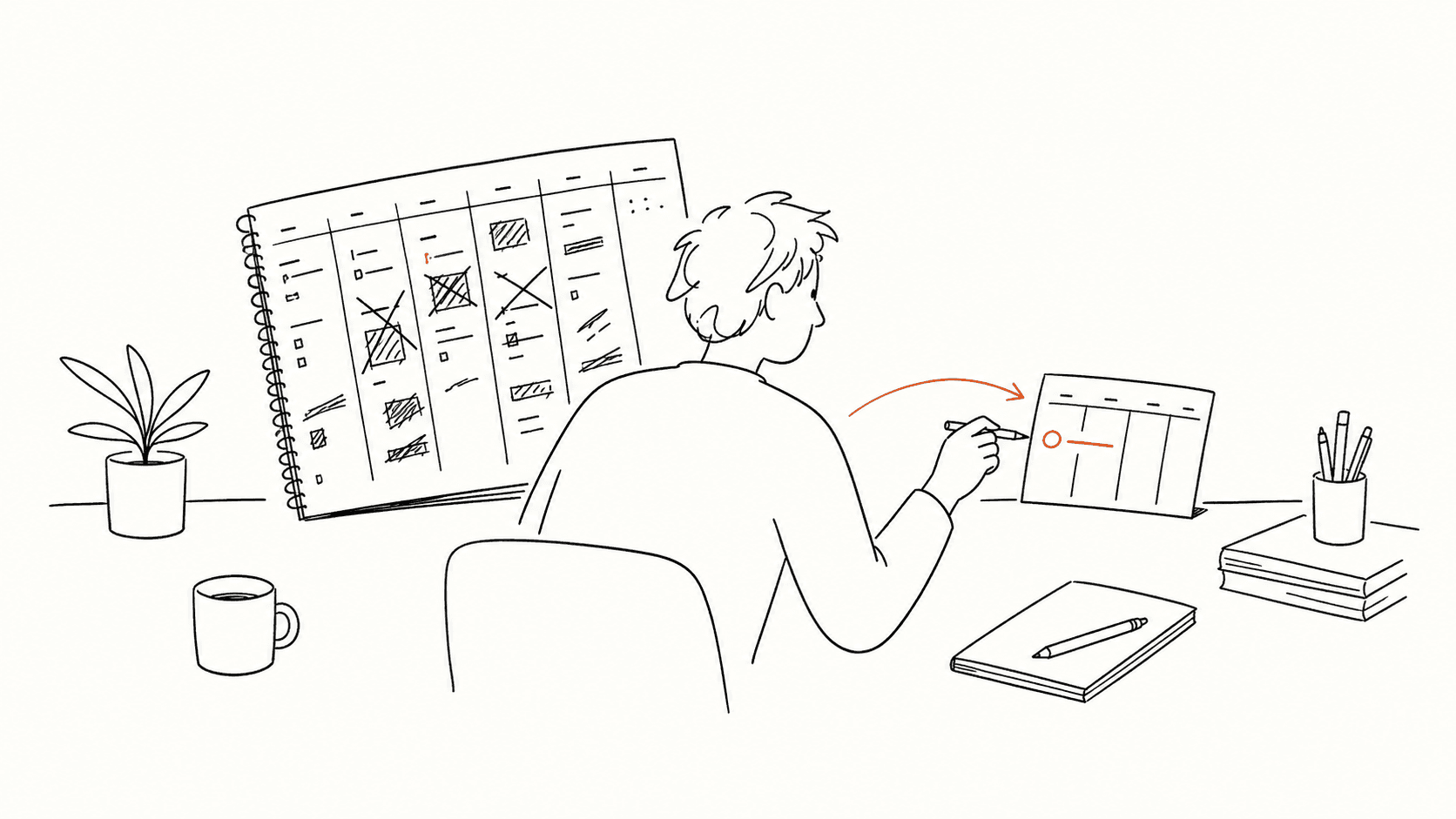
You did something, but you avoid looking at what actually happened.
What it feels like: A messy week turns into another reset instead of one small adjustment.
Field Notes
Field note
The problem is often the first step being too big, too vague, or too easy to escape.
Search intent: why can't I start tasks, ADHD task initiation, task paralysis help
Read note
Field note
More pressure usually makes avoidance worse. The useful move is making the start smaller and the exit harder.
Search intent: ADHD procrastination, how to stop procrastinating with ADHD, ADHD follow through
Read note
FAQ
It is built for ADHD-style procrastination patterns: task paralysis, distraction, avoidance, messy follow-through, and restarting. It is not a diagnosis or treatment.
It tells you where you are most likely getting stuck: choosing, starting, staying with it, or checking what happened.
Often the task is too vague, too large, emotionally loaded, or surrounded by easier exits. The first useful move is to make the start smaller and the escape harder.
No. It does not ask if you are disciplined. It asks what actually happens when a real task meets a real week.
A result, the stuck point, and one next step you can take today.
If symptoms are interfering with your life, talk with a qualified healthcare professional. This site can help with practical structure, but it does not diagnose ADHD.
Twelve behavior questions. One result. One next step.
Find my stuck point